Therapy for Major Life Transitions

Help for navigating career shifts, relationship changes, loss, and other major life transitions
Most people are familiar with the trope of the midlife crisis - someone reaches their mid-forties, feels a mixture of regret and fear about time passing, and they try to fix it all with a divorce, a sports car, and maybe a little plastic surgery.
While one might roll their eyes at the “solutions” in this scenario, most people experience feelings of existential anxiety at some point in their lifetime, and as many as 10 - 40% of people experience an acute period of existential crisis. Existential Psychology recognizes four areas of existential concern that are universal to all humans: facing mortality, navigating the tensions between freedom vs. responsibility, navigating connection vs. isolation, and feeling a sense of meaning in life vs. meaninglessness. While these struggles might be common to all people, wrestling with any of these areas at any phase of life can bring feelings of tremendous uncertainty, loneliness, or fear.
Sometimes the instigating event is obvious - a decline in health, a change in a job or a relationship, or an outside event that shakes one’s previous ideas about the world. But sometimes it’s less clear why we’re suddenly plagued by a new and unsettling feeling about our life or our future. Regardless of one’s phase of life or the area of concern, meeting with a therapist during a time of existential uncertainty can be profoundly helpful.
HOW CAN THERAPY HELP?
A good therapist listens without judgment. Loved ones often want to provide support, but they may have their own fears or opinions that interfere. Therapists have both ample training and years of experience, allowing them to listen to people’s deepest fears and to respond with empathy and a desire to understand, rather than with self-protection or helplessness. Having someone with whom you can freely speak about your thoughts and feelings will help you feel less alone in your journey.
A good therapist asks the right kinds of questions. Existential anxieties are rarely as simple as they seem. Therapists can help you get curious about what might be under the fears so that you can better address the true issues.
Finally, a good therapist helps you be thoughtful about changes you want to make. Do you actually need a change in your circumstances? Would you benefit more from a change in perspective? Or perhaps a bit of both? As humans, we rarely make our best decisions impulsively or while we are distressed. Talking with a therapist can help you sort out wishful thinking and magical “solutions” to your distress from your genuine intuitions about how you might like your life to look or feel different. You don’t have to walk through this time of uncertainty alone.
Meet our Therapists
-
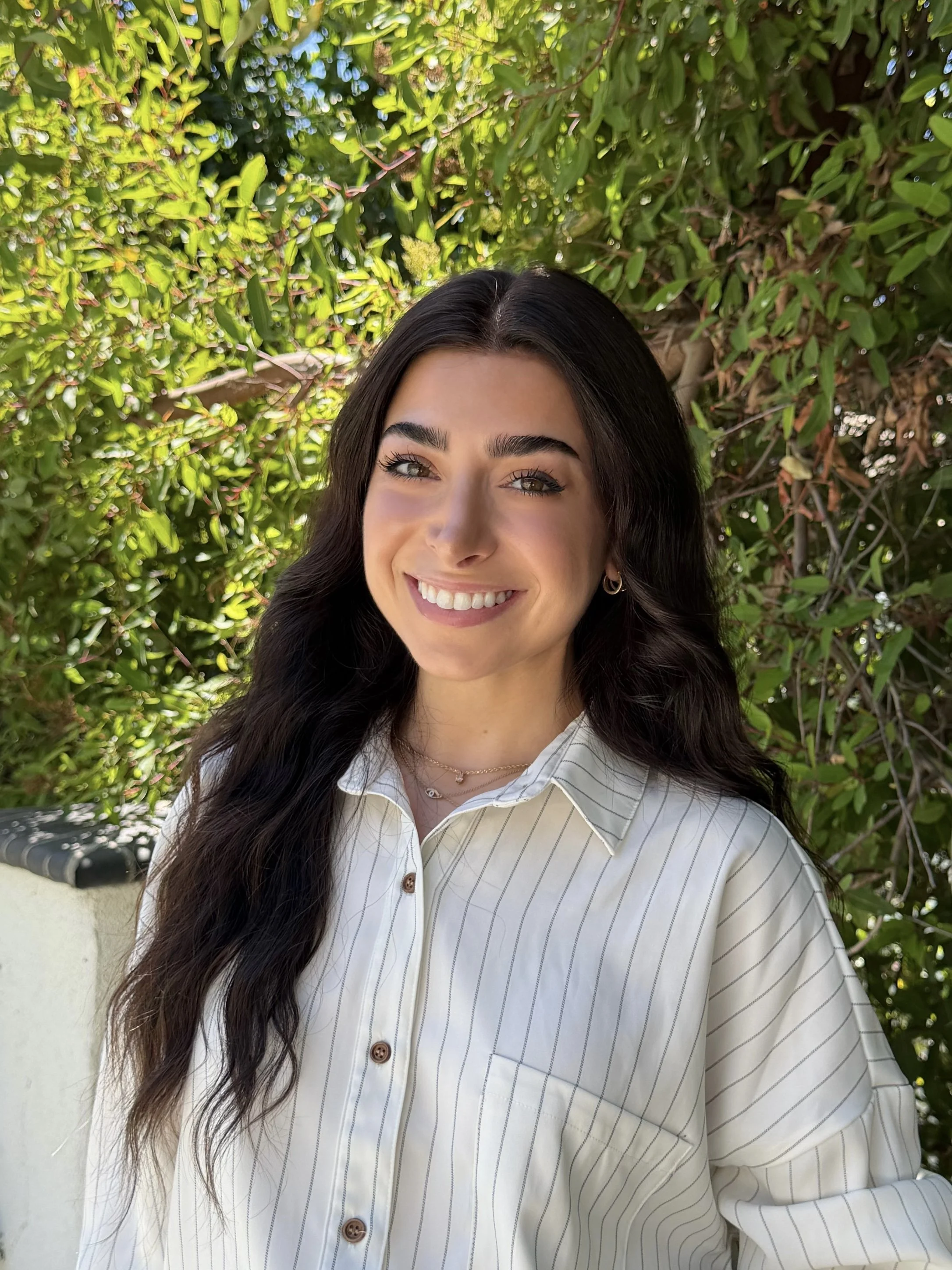
![Pasadena Therapy with Dr. Mary Mansour]()
Dr. Mary Mansour
PSYCHOLOGICAL ASSOCIATE | PASADENA + CA TELETHERAPY
Services Offered: Individual therapy, couples therapy, premarital therapy, individual therapy intensives, psychological assessments.
Ages: Adolescents, Emerging Adults and Adults
Relationships & dating, caregivers, relational trauma, family dynamics, identity & culture, grief & loss, college & graduate students, attachment & relationship patterns, life transitions.
-
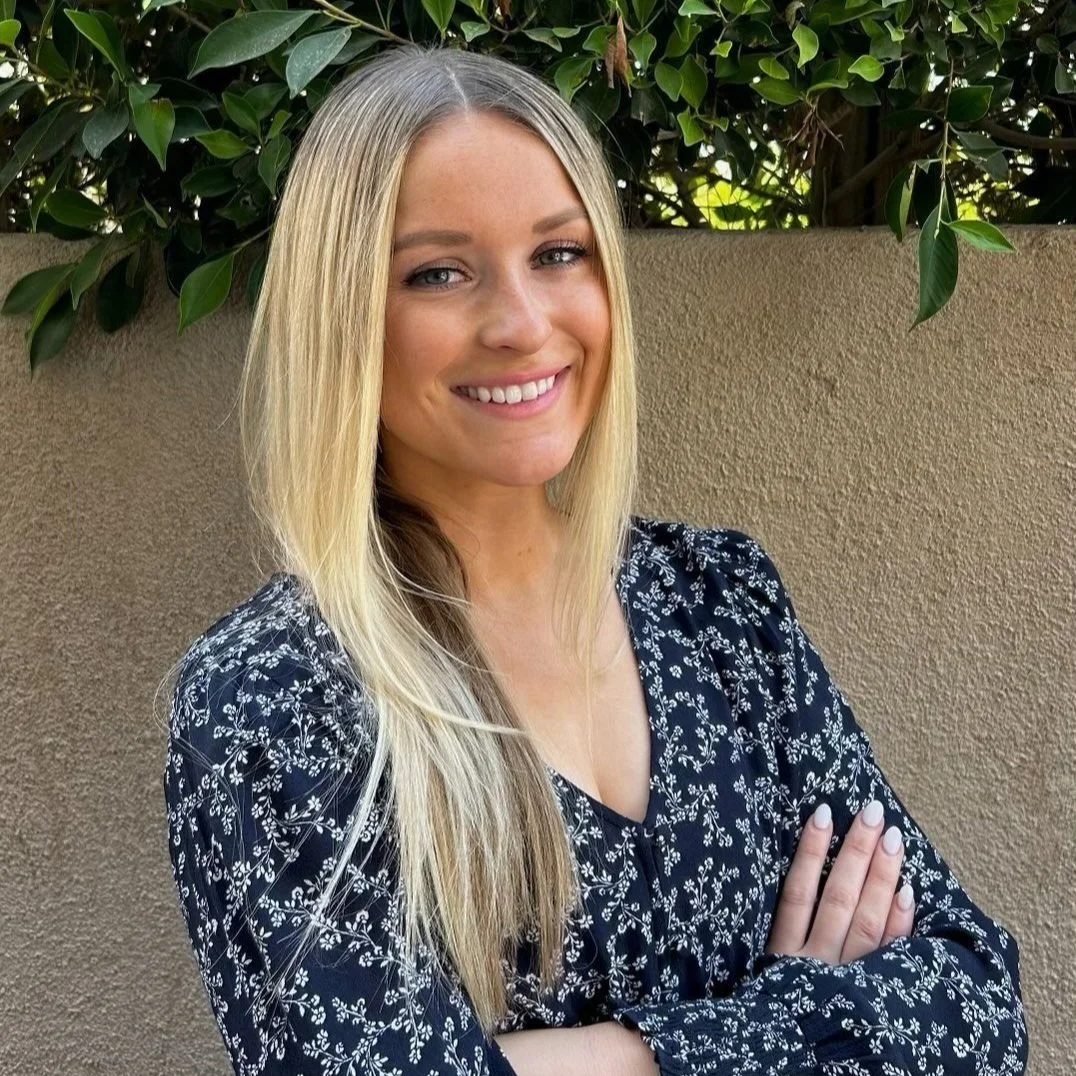
![A young woman with long blonde hair and blue eyes smiling, standing with arms crossed in front of a beige wall with green foliage overhead.]()
Dr. Celeste Carlson
PSYCHOLOGICAL ASSOCIATE | PASADENA + SAN DIEGO + CA TELETHERAPY
Services Offered: Individual therapy, psychological assessments, couples therapy, individual therapy intensives, couples therapy intensives.
Ages: Children, Adolescents, Emerging Adults and Adults
Unresolved childhood trauma and abuse, relationship conflict, athletes, student-athletes, spirituality and faith concerns, LGBTQIA+ topics, adolescents, college students, young adults, performance pressure, perfectionist behavior, attachment issues, ADHD, anxiety/panic, depression, identity exploration.
-
![Close-up of a woman with dark hair, earrings, and a friendly smile, wearing a green top and navy cardigan, outdoors with a blurred green background.]()
Dr. Lauren Mueller
LICENSED CLINICAL PSYCHOLOGIST | SAN DIEGO + CA TELETHERAPY
Services Offered: Individual therapy, couples therapy, premarital therapy, family therapy.
Ages: Adolescents, Emerging Adults and Adults
Relationships, self-esteem issues, sexuality/sexual identity, spirituality, life transitions, women's issues, body image, new moms, overwhelmed moms, parenting concerns, history of abuse, identity issues.
-
![Nicole Wilkins, MA]()
Nicole Wilkins, MA
CLINICAL PSYCHOLOGY INTERN |
PASADENA + CA TELETHERAPYnicolewilkins.relate@gmail.com
Services Offered: Individual therapy, couples therapy, family therapy, individual therapy intensives.
Ages: Children, Adolescents, Emerging Adults, and Adults
Attachment issues, unresolved trauma, relationships, faith and spirituality, shame, trauma and the body, stress and anxiety, self-esteem, codependency, identity issues, parenting, new moms, body image concerns.
-
![A middle-aged man with light skin, short brown hair, and a light beard, smiling, sitting outdoors near a concrete wall with gravel ground in the background, wearing a dark gray jacket over a black shirt.]()
Dr. Steve Simpson
LICENSED CLINICAL PSYCHOLOGIST | PASADENA + CA TELETHERAPY
Services Offered: Individual therapy, couples therapy, premarital therapy, family therapy, couples therapy intensives, individual therapy intensives.
Ages: Adolescents, Emerging Adults and Adults
Relationship problems, infidelity, sexual issues for couples and individuals, sexual performance, ADHD, depression, anxiety, impulse control, self-esteem, identity concerns, spirituality.
-
![A smiling woman with shoulder-length light brown hair wearing a navy blue top and a floral skirt with blue, purple, and green patterns, standing outdoors in front of a red brick building.]()
Dr. Kelsy Richardson
LICENSED CLINICAL PSYCHOLOGIST | SAN DIEGO + CA TELETHERAPY
Services Offered: Individual therapy, individual therapy intensives, adoption assessments, reading group for therapists
Ages: Adolescents, Emerging Adults and Adults
Therapists in training/new therapists, gender/sexual identity, religious/spiritual issues, cultural identity, OCD, trauma/history of abuse, chronic illness & disability, psychodynamic case conceptualization
-
![A woman with curly brown hair and blue eyes wearing glasses, earrings, and a patterned sweater, standing outdoors near a cactus plant and a wooden structure.]()
Dr. Mollie Shrader-Perry
LICENSED CLINICAL PSYCHOLOGIST | SAN DIEGO + CA TELETHERAPY
Services Offered: Individual Therapy, Couples Therapy, Premarital Therapy, Individual and Couples Intensives.
Ages: Adolescents, Emerging Adults and Adults
Interpersonal Relationship Concerns, Identity Development & Exploration, Eating & Body Image Concerns, Grief & Loss, 3rd Culture Kids/Cross-Cultural Concerns, Religious & Spiritual Trauma, Family of Origin Concerns, Mood Disorders, Sexual & Gender Concerns, and Chronic Stress related to Intersecting Identities.
-
![A smiling woman with long, wavy brown hair and blue eyes standing on a beach with water and hills in the background.]()
Dr. Rebecca Rouse
LICENSED CLINICAL PSYCHOLOGIST | PASADENA + CA TELETHERAPY
Services Offered: Individual therapy, couples therapy, premarital therapy, family therapy, couples therapy intensives, individual therapy intensives.
Ages: Children, Adolescents, Emerging Adults and Adults
Anxiety, depression, unhealthy relationship patterns, trauma, identity issues, infertility, pregnancy and loss, postpartum, parenting.
-
![]()
Dr. Melissa Hofstetter
LICENSED CLINICAL PSYCHOLOGIST | PASADENA + CA TELETHERAPY
Services Offered: Couples therapy intensives
Ages: Adults
Infidelity, relationship struggles and crisis, married couples, unhealthy relationship patterns.
-
![A middle-aged man with short gray hair, wearing a blue and white checkered shirt, smiling and standing outdoors with green leaves and tree trunk in the background.]()
Dr. Brett Veltman
LICENSED CLINICAL PSYCHOLOGIST | FOUNDER + DIRECTOR | PASADENA + CA TELETHERAPY
Services Offered: Individual therapy, couples therapy, premarital therapy, family therapy, couples therapy intensives, individual therapy intensives.
Ages: Children, Adolescents, Emerging Adults and Adults
Relationship struggles, leaders and professionals, infidelity, life stressors, relationships, separation & divorce, premarital therapy, dating struggles, spirituality and faith, college students, young adults, adolescents, work struggles, therapists, alcohol & substance abuse, industry professionals, identity issues, infertility, adoption, men’s issues.
-
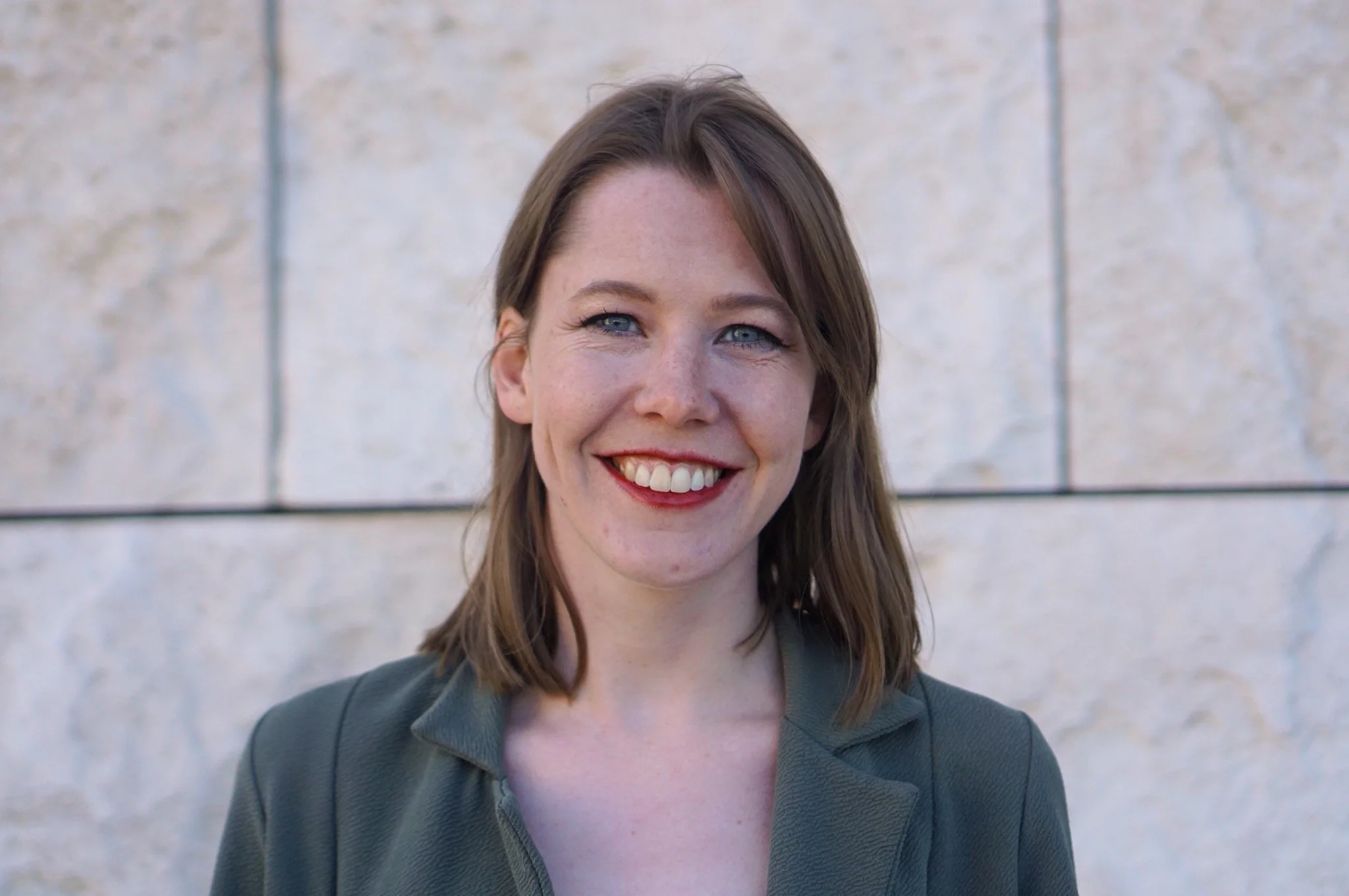
![Pasadena therapist]()
Gry Apeland, MA
ADVANCED CLINICAL THERAPIST | PASADENA + CA TELETHERAPY
Services Offered: Individual therapy, couples therapy, premarital therapy.
Ages: Children (10 and up), Adolescents, Emerging Adults and Adults
Religious and spiritual trauma, faith questions and deconstruction, coercive control and high-control groups, identity exploration, LGBTQIA+ affirming care, neurodivergent-affirming care, college and graduate students, shame and self-criticism, perfectionism, people-pleasing, anxiety, depression, relationship patterns, couples therapy, premarital counseling, life transitions.